

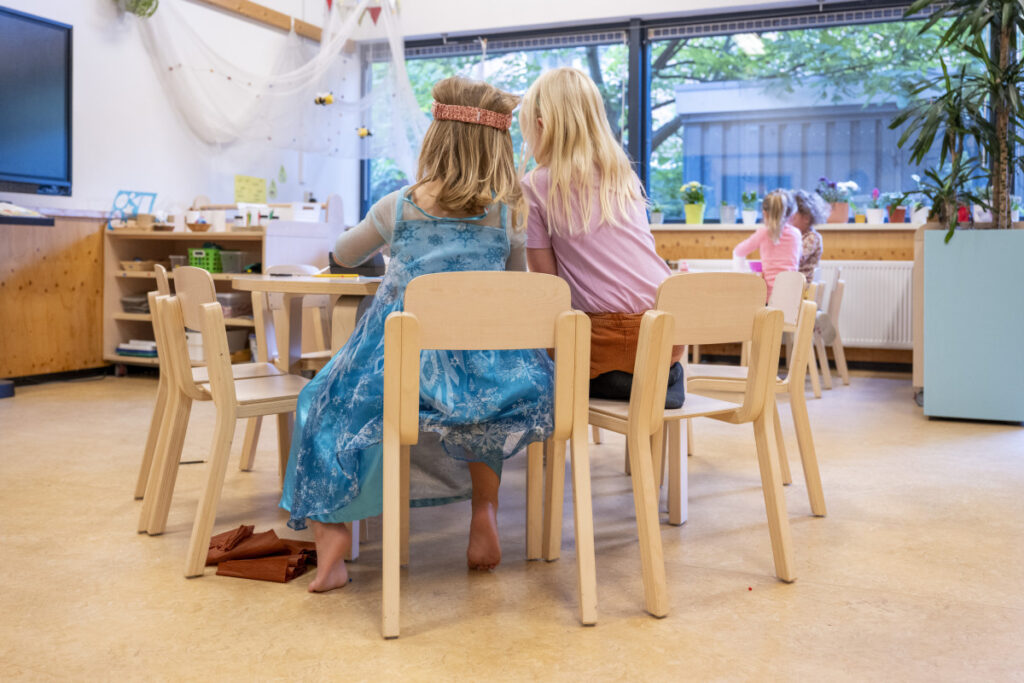
Across bustling cities, an increasing number of families gravitate toward Montessori schools. Many parents seek learning environments that foster not only academic achievement but also nurture independence and essential life skills in an ever-changing world. The Montessori philosophy responds to this need, offering a pathway where children flourish at their own pace—even amid the unique challenges and vibrancy of urban life.
What draws urban parents to Montessori classrooms?
When considering education within city settings, families often look beyond simple proximity. Urban education demands adaptability, creativity, and social confidence—traits closely tied to the Montessori approach. Numerous parents notice that Montessori principles align with aspirations for holistic growth while still preparing children for both academic and everyday success. For example, enrolling a child in a bilingual preschool in Paris can be a choice aligned with these values.
Individualized and self-paced learning resonates deeply in diverse urban populations. Learners progress as they master concepts, rather than waiting for an entire class or feeling pressured to move ahead too quickly. This flexibility appeals to gifted students as well as those who may benefit from additional time to develop understanding.
Independence and confidence in a busy environment
Cities pulse with constant activity, and children raised within these spaces quickly recognize the value of self-reliance. Many urban parents observe that Montessori’s emphasis on independence encourages strong personal responsibility. Children take charge of daily routines, engage in meaningful projects, and navigate problem-solving, cultivating confidence that extends well beyond the classroom walls.
The Montessori model provides space for choice, allowing young learners to practice decision-making from early ages. Whether selecting a math material or managing post-activity tidying, these moments may seem small but contribute significantly to the development of self-esteem over time.
Hands-on learning experiences amidst city life
Urban schools can face limited outdoor space and rigid curriculums. In contrast, Montessori classrooms transform even modest environments into vibrant hubs of hands-on learning. Tactile materials engage children in mathematics, language, science, and practical life activities—making lessons both memorable and deeply rooted.
This practical orientation allows city-raised students to gain direct experience with public transport models, community maps, or local plants and foods during lessons. Such real-world connections reinforce curriculum content and help learners see tangible links between what happens in the classroom and daily urban life.
Comparison to traditional education methods
Many parents exploring school options find themselves comparing Montessori with conventional classroom structures. Traditional education in large cities often means crowded rooms, intense pressure for standardized testing, and little opportunity for creativity. Montessori takes a distinctly different path.
The philosophy centers on a child-centered approach instead of fixed lesson plans. Rather than rows of desks and a single instructor at the front, Montessori classrooms feature collaborative groupings and freedom of movement among purposeful tasks. Students in urban Montessori environments often enjoy a sense of calm order rarely found in typical city schools.
Collaborative learning and social skills
Contrary to stereotypes of competitive city living, many urban Montessori classrooms cultivate collaboration and robust social skills. Children work together across age groups, building empathy and respect. They negotiate, share ideas, and support one another, laying foundations for teamwork that benefits both academic and nonacademic pursuits.
Parents frequently highlight these interpersonal strengths as core reasons for choosing Montessori in urban areas. In places where population density can lead to stress or isolation, a supportive educational community makes a noticeable difference for entire families.
Academic and nonacademic benefits
While test scores remain relevant, a growing number of city-based parents prioritize schools that emphasize broader development. Research consistently points to both academic and nonacademic benefits for children educated under Montessori principles. These include advanced early reading and numeracy, perseverance, focus, and emotional regulation—all highly valued in energetic urban surroundings.
Some studies indicate that Montessori students not only keep pace academically with peers in traditional settings but also display greater curiosity and intrinsic motivation to learn. For today’s city families, such outcomes strongly influence parental choice.
Meeting the needs of urban families
Cities require responsive and adaptable educational solutions. For many parents, Montessori represents more than a teaching method—it offers a way to prepare children for the complexities of modern city life while honoring individual progress and character development.
Daily schedules in metropolitan communities are often unpredictable. Montessori classrooms reflect real-world diversity and tempo, ensuring each learner is fully engaged, whether navigating multiple languages at home, adjusting to changing family routines, or balancing extracurricular interests.
Accommodating diverse backgrounds and lifestyles
Urban populations encompass a wide range of cultural, linguistic, and socioeconomic backgrounds. Within Montessori environments, individualized learning supports these differences. Each child—regardless of starting point—accesses an education tailored to their interests, abilities, and experiences.
This inclusivity fosters mutual respect and understanding—qualities especially valuable for families hoping their children thrive in multicultural contexts both during and after their school years. Parents appreciate witnessing how acceptance of diversity is naturally woven into daily Montessori experiences.
Flexibility for dynamic city living
Life in a bustling city rarely stands still. As commitments shift and urban events shape routines, Montessori approaches allow families to stay actively involved without sacrificing educational quality. Teachers communicate directly with families, adjustments are made swiftly to address children’s needs, and after-school programs further enrich learning opportunities.
This combination of stability and flexibility ranks high among stated parental reasons for favoring Montessori over more rigid urban education options. For many, it feels like a natural fit for their children and their fast-paced lives alike.